

What are your main responsibilities at your position? What are some of your big projects? (this can include projects at your internship, your specific CAP project, etc)
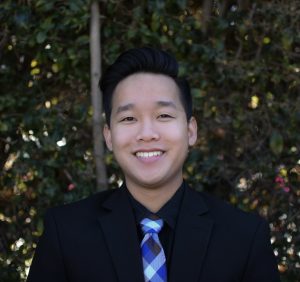
At my position, my main responsibilities include using a relational database to manage content for commodity import requirements and adding taxa and tags to existing documents. A big project that I will be working on at my internship is transforming the agency’s treatment manual from a flat pdf to a multidimensional database.
How does this internship fit with your professional and career goals?
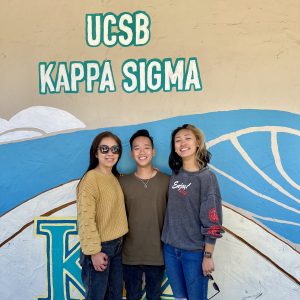
One of my career goals is to become involved in the public sector as a policymaker. My internship with the USDA APHIS helps me gain a deeper understanding in the inner workings of federal agencies and how information is gathered. This information is important to the making of policy so I believe learning how to organize this data will be useful for my future career.

What do you hope to achieve this summer as a part of CAPAL’s 2022 cohort?
I hope to learn how to make a difference in my community back at home through public service. I come from Little Saigon in Orange County, California, the largest Vietnamese enclave in the world outside of Vietnam. There are issues with economic and social mobility among the people there and I do not want to merely come in as an enlightened Asian American college student who believes that his college degree has earned him the right to criticize all the community’s problems. Instead, I’d like to broaden my understanding of issues within the AAPI population, spanning different generations and ethnicities. I want to understand how my community lives and how I can help improve their standards of living without narrowly imposing myself into their problems.
What does public service mean to you? What sparked your interest or desire to get involved with public service?
To me, public service means helping out those communities that need support the most through policy and social programs. Throughout my teenage years, I was raised in a financially unstable single-parent household with my sister. Due to my father’s addictions and unemployment, I moved to over 14 different homes and was placed in the foster care system at one point. The constant moving and pressing anxieties of not knowing if I’d have a roof over my head in the next month placed me under extreme stress and inhibited my ability to succeed in school. My experiences are similar to other people in low-income communities of color. Not everyone grows up in a stable two-parent household throughout their entire lives. Nor does everyone have the privilege of having one childhood home. In low-income communities of color, these circumstances are further ameliorated by the systematic oppression of U.S. institutions. My past experiences help me better understand and empathize with the less fortunate and marginalized communities of our country. In the future, I want to uplift these communities by stimulating educational opportunities for youth and community-wide professional development programs for adults.