
 What was the moment in your life when you realized you wanted to explore public service?
It is difficult to point out one particular moment of realization that made me want to delve into public service. However, I can draw upon the earlier years of growing up in California as a foundational period for my dedication to serving others. Growing up, I heard strong rhetoric around issues I am now passionate about. Discussion around immigration reform was often engulfed by negative rhetoric and dehumanization of “illegal aliens” or “law breakers,” where stories of real experiences, core issues of families, and simple respect were overlooked. Homelessness is artificially nonexistent in my home city because the police simply drop them off in a nearby city. The barrier in even beginning a discussion and real action surrounding the issue of real conditions and people starts from the false rhetoric that some lives are less valuable and conditions are due to their own demise or work ethics. My approach in contributing came to be raising awareness and discussion through humanizing and dialogue.
 What are your main responsibilities at your position?
I am part of the Regional Network Team at the White House Initiative on Asian American Pacific Islanders. The purpose of the team is to connect the federal government to local communities, so we work with both community based organizations and regional representatives from various federal agencies. Some examples are joining calls and taking on tasks to support roundtables, listening sessions, and trainings in different regions. A more long term task I have is to help out with the end of the year convening among Regional Network Leads, where it will provide an opportunity to reconnect with representatives from various agencies, reflect on successes of the network, and communicate different strategies and insights.
Did you find anything surprising about your internship or doing public service work?
I was surprised by the active and strong link between federal level resources and efforts with local organizations and a focused target of AAPI communities. Understanding both the abilities and limitations in the federal level, I was surprised by the unique and effective role of WHIAAPI in promoting the quality of life and opportunities for AAPIs. What also surprised me was the foundation and engine behind the work. The office brings diverse backgrounds, where all of the staff members bring experiences from on the ground work, non-profits, law firms, various federal agencies, and more. The individual advocates makeup the larger objective WHIAAPI serves as an advocate for AAPIs in the United States.
 How does this internship help you with your professional goals? What do you want to get out of it?
I want to learn specific skills and experience from this internship that directly connects to my professional goals. As part of the Regional Network team, I want to gather experience in community outreach, communicating with community leaders and organizations, bringing in representatives from federal agencies, and planning roundtables or listening sessions. Another aspect that I want to connect to my future goals is youth engagement and outreach. A large part of the efforts in WHIAAPI focus on connecting AAPI youths to the federal government and public service. I want to work in the realm of youth engagement, whether that is AAPI youths in the US or Global Youth office in the State Department.
What motivates you?
Observing and seeing people in action when they are in their most passionate state motivate me. Whether that is in the office or workplace, on the ground field with community leaders, or fellow interns, board members, and mentors, witnessing everyone following their passion, niche, and aspirations is my mode of energy and drive. Family is also a huge motivator for me, as their story of immigrating to the United States is central to the public service in terms of promoting both the quality and opportunities for diverse communities.
What is something that most people would not know about you?
I am a second degree black belt in taekwondo and compete in collegiate conferences in the east coast. The sport shaped my life in various ways by sharpening my mentality, focusing on positive values, and embracing opportunities and blessings.
 When you get off work, what do you do? What are your weekend activities?
When I get off work, I like to watch documentaries about international development and other topics. I am beginning lessons for saxophone and hope to grasp the basics by the end of the summer. During the weekends, I like to play basketball with friends or visit a café that my friend works in to catch up on work.
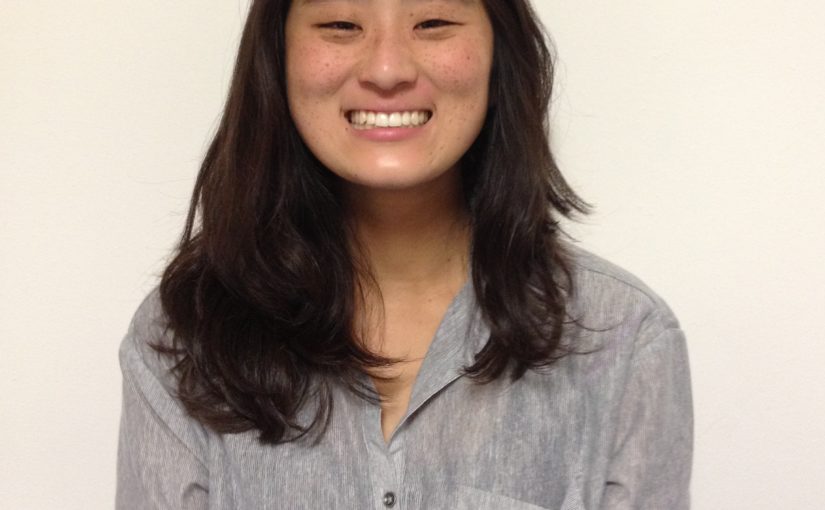
Janny Jang is a student at American University pursuing studies in International Relations and Anthropology. She will be interning at The White House Initiative on Asian American and Pacific Islanders this summer. She is the president of Asian American Student Union (AASU) at American University and envisions the organization to be a platform to voice diverse and vibrant API experiences. A major goal is to build solidarity and engagement among other multicultural groups on campus. As a Teach and Learn in Korea (TaLK) scholar, she taught English in elementary schools in Gumi, South Korea. She also began a photo campaign called You Are Not Alone to reach out to LGBTQ community in South Korea. With the passion for dialogue and unique experience with cross-cultural communication, Janny will be working as an Intergroup Facilitator at American University this fall. In her free time, she enjoys playing basketball, practicing taekwondo, or exploring the city.
Meet all of our CAPAL Scholars & Interns here.
Posted by Felicia Wong
 Felicia Wong is currently a senior at the College of William and Mary, double majoring in Neuroscience and Asian American Studies, and minoring in Biochemistry. She is president of the Filipino American Student Association, and current non-academic projects include creating films calling for diversity curriculums/requirements and establishing an official APIA Studies program. Felicia was also elected president of Global Medical Brigades to lead sustainable healthcare programs in rural communities in Nicaragua. She hopes to connect her interests in healthcare with the community she has found in her cultural background. Having lived in Germany for most of her childhood, Felicia makes yearly trips back to visit her family, providing opportunities for her to indulge in her greatest joys: touring castles, eating at cafés, taking fashion cues from strangers, cooking with her family. Non country-specific pleasures include: biking, watching live music performances, screaming because Game of Thrones.