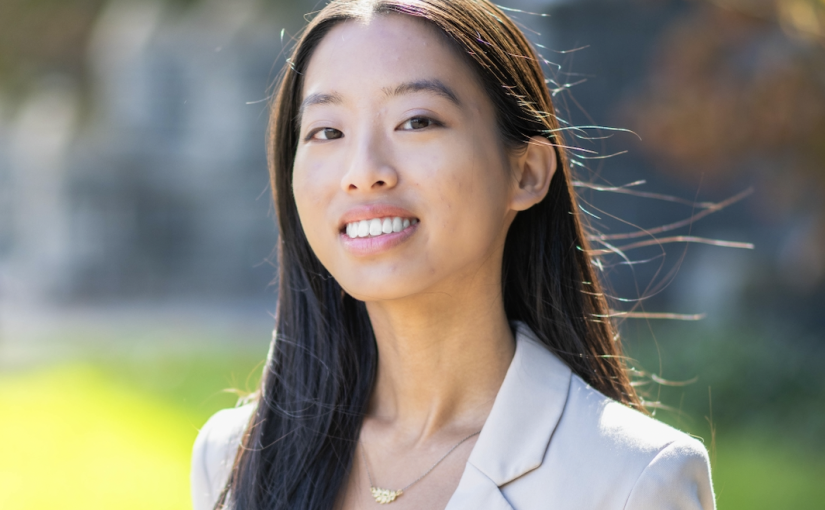
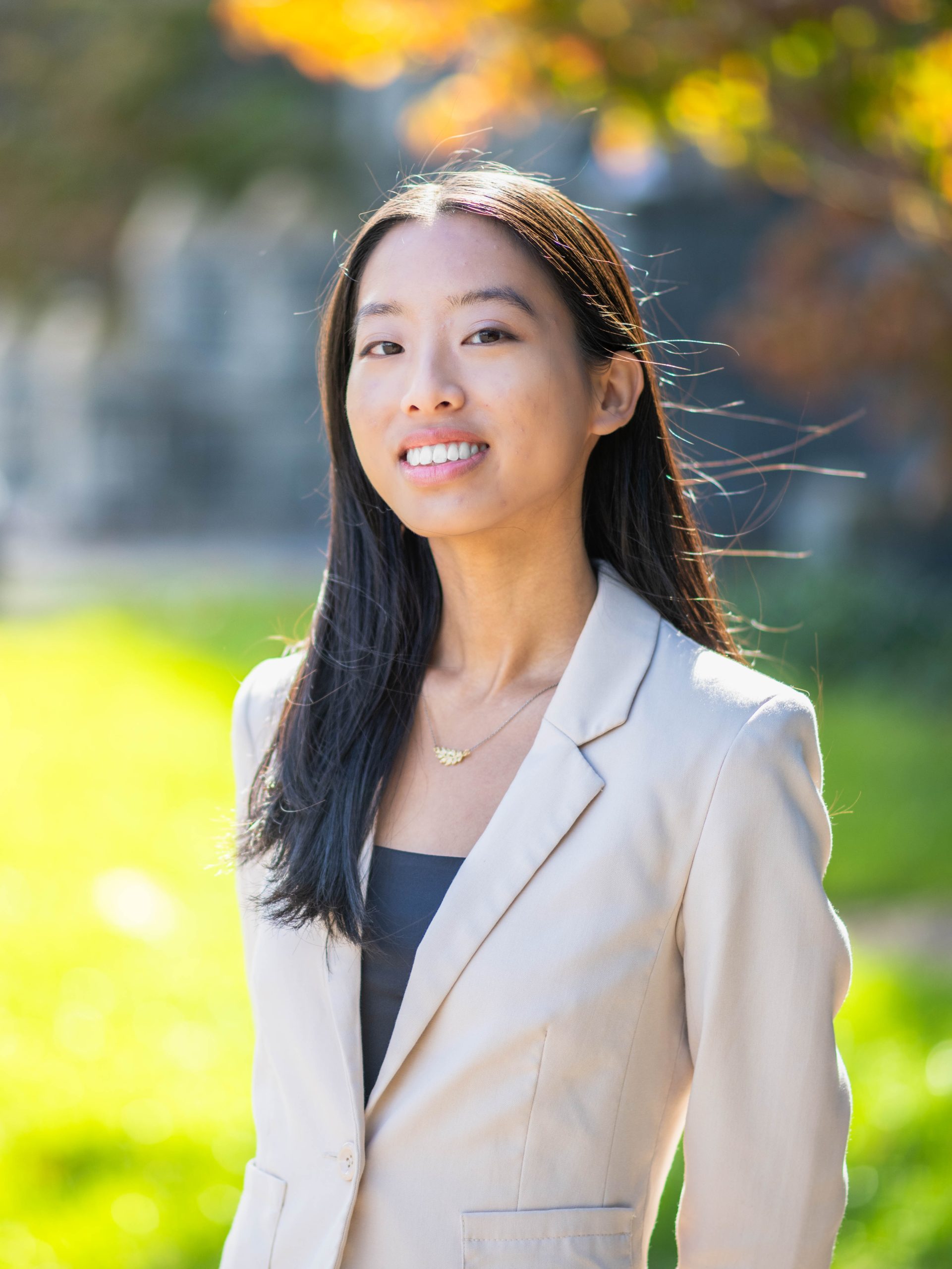
Rachel Tao is a Georgetown senior and the daughter of Chinese immigrants from Alabama. At Georgetown, she is deeply involved with the Center for Social Justice and previously served as the Co-President of the Asian American Student Association. Off campus, she has completed several government internships, along with nonprofit and campaign work, pursuing her passion for economic equality and racial justice. In the meantime, you can find her visiting parks, going on long walks, and exploring DC with friends!
Internship Placement: House of Representatives Committee on Education & the Workforce (Democratic Staff)
As a CAPAL scholar/intern, what does CAPAL mean to you?
CAPAL has been a fantastic community that has uplifted me all summer. Not only do we have fantastic CAPAL staff supporting us, but we have the best group of students. The cohort has been such a joy to be with and to learn from throughout the summer, and I am grateful for the perspectives that everyone brings to the table.
What is an issue or topic within the AANHPI communities that you feel passionate about addressing?
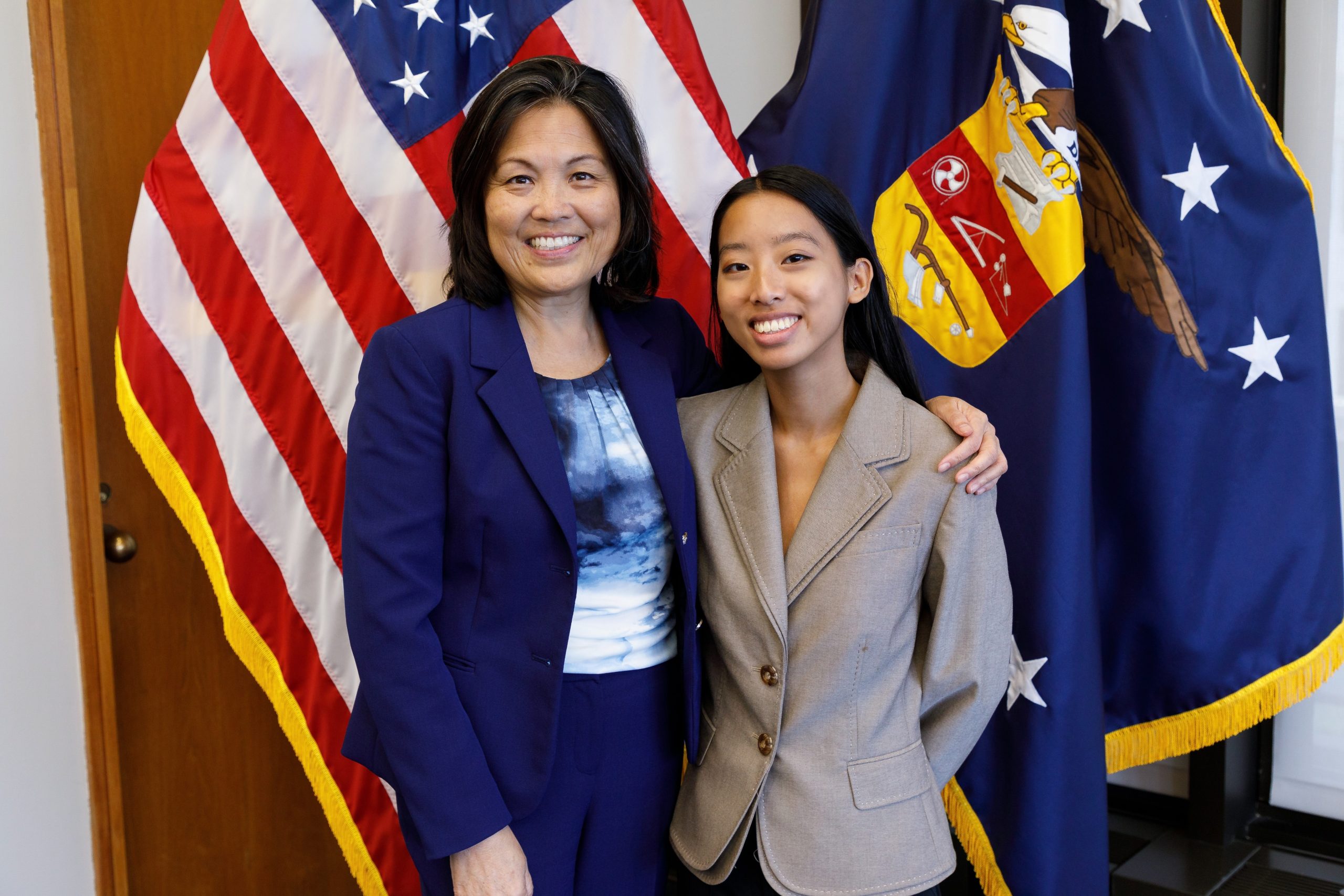
I am very passionate about exploring economic inequities within the AANHPI community. Even though AANHPIs are sometimes seen as a monolith of economic prosperity, there are many groups within our community that face economic stress. In fact, Asian Americans have the greatest income inequality of any racial group. My parents faced significant economic barriers when immigrating to the U.S. from China, so it’s an issue near and dear to my heart. I have explored the issue through my internship at the Department of Labor last summer, particularly helping to plan an AAPI worker roundtable. In all of my AANHPI advocacy and my labor policy work, this intersectional issue is one I keep at the top of my mind.

What are your main responsibilities at your position? What are some of your big projects?
At the House Committee on Education & the Workforce, I take part in one of the most important aspects of policy-making on Capitol Hill: committee work. Congressional Committees are responsible for editing and advancing legislation that Congressmembers introduce. They also hold hearings and briefings to inform members and shape legislation. I support this essential work through a lot of research and writing. I have written memos about issues such as workplace benefits and women’s economic concerns. I attend meetings with and briefings by community stakeholders like unions and nonprofits. I also complete background research, compile materials, and edit memos for hearings and related legislation. Through large and small projects, I hope to advance the labor, health, and educational issues I care about!

How does this internship fit with your professional and career goals?
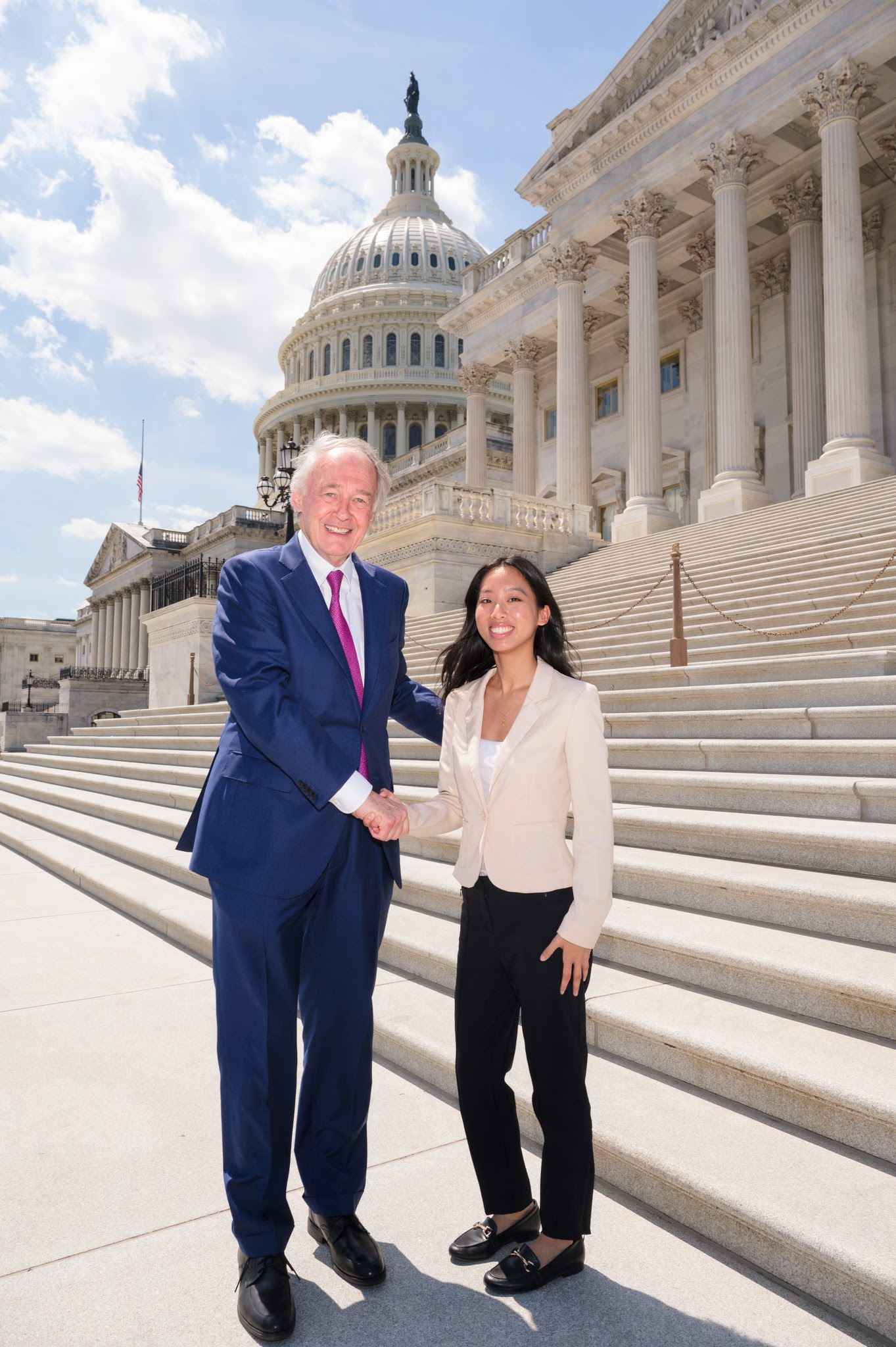
I previously completed two executive branch internships in the Departments of Labor and Justice. In Acting Secretary of Labor Julie Su’s office last summer, I became very passionate about labor policy issues, but I still felt I had so much to learn. I also interned for Senator Ed Markey this spring, but I still felt I wanted experience in a Congressional Committee and perhaps to explore the other side of the Hill at the House of Representatives. This internship clearly fits with the policy issues I care about and the professional goals I have, and it was a perfect fit for my summer. I have already learned so much about labor, workforce, and healthcare issues as a Labor and Health Intern on the Committee. Wherever I go in the future, the concrete skills and experiences I have gained in this Committee will take me far!
What does public service mean to you? What sparked your interest or desire to get involved with public service?
Public service is community leadership. My vision of public service has long been shaped by my parents’ immigrant experience and growing up in Alabama. In the Deep South, I felt like an outsider, left out of my own community. Observing so much inequality that my family and others in the community faced made me passionate about public service at a young age. I became deeply committed to advancing all marginalized and isolated communities who lack representation in government and public service. I want to be in public service because it empowers me and my perspective, and I know I can use my experiences to positively impact injustice in the world. Throughout my internships, working in Julie Su’s historical DOL and shaping policy with Sen. Ed Markey’s office, I have learned that public service CAN bring change, no matter how difficult it might seem. I want to make that happen.